



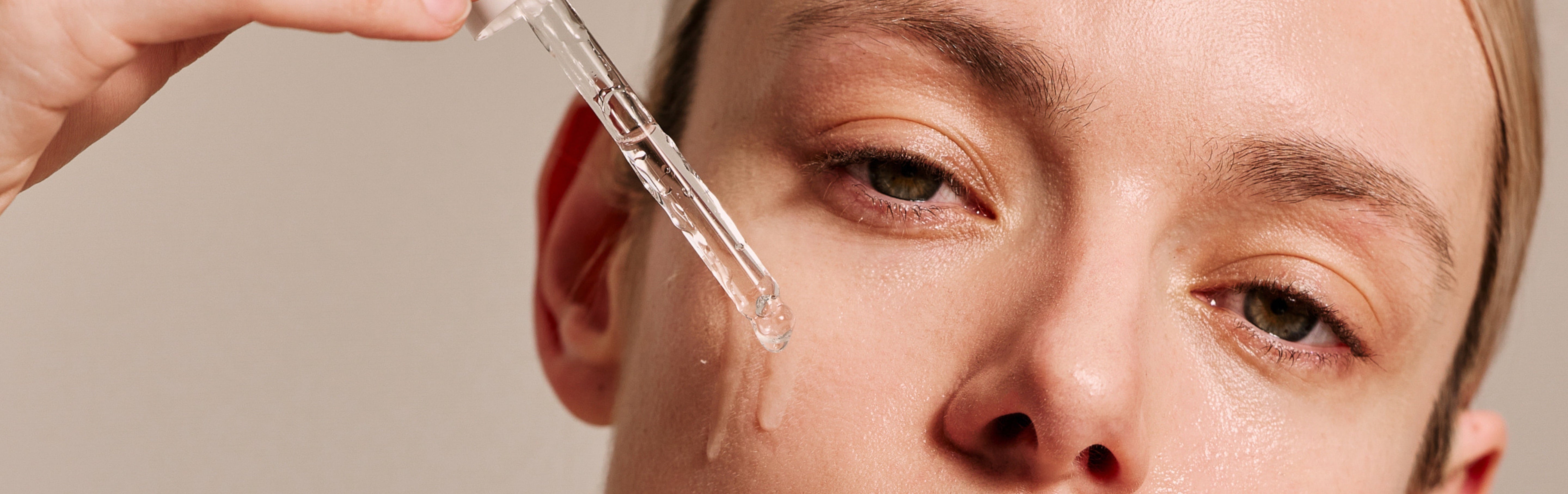
The Best Serums to Use with Red Light Therapy
IN THIS ARTICLE:
- 01 The Best Serums to Use with Red Light Therapy
- 02 What Is a Serum?
- 03 How Can Red Light Therapy Make Serums More Effective?
- 04 What Are the Best Skincare Products to Use with Red Light Therapy?
- 05 Best Serums to Use with Red Light Therapy
- 06 Best Creams to Use With Red Light Therapy
- 07 Skincare Products Designed for Red Light Therapy
- 08 Why Your Device Matters as Much as Your Serum
- 09 How to Maximize At-Home Red Light Therapy
- 10 The Bottom Line
If red light therapy has officially earned a permanent spot in your skincare routine, you’re probably already seeing why so many dermatologists and beauty editors swear by it. From the smoother texture and tone to the way skin just looks a little more rested (even on those days when you definitely didn't sleep eight hours).
But once you’ve committed to consistent LED sessions, another question tends to pop up: what skincare should you actually be using with red light therapy? More specifically, which serums help, and which ones might be getting in the way?
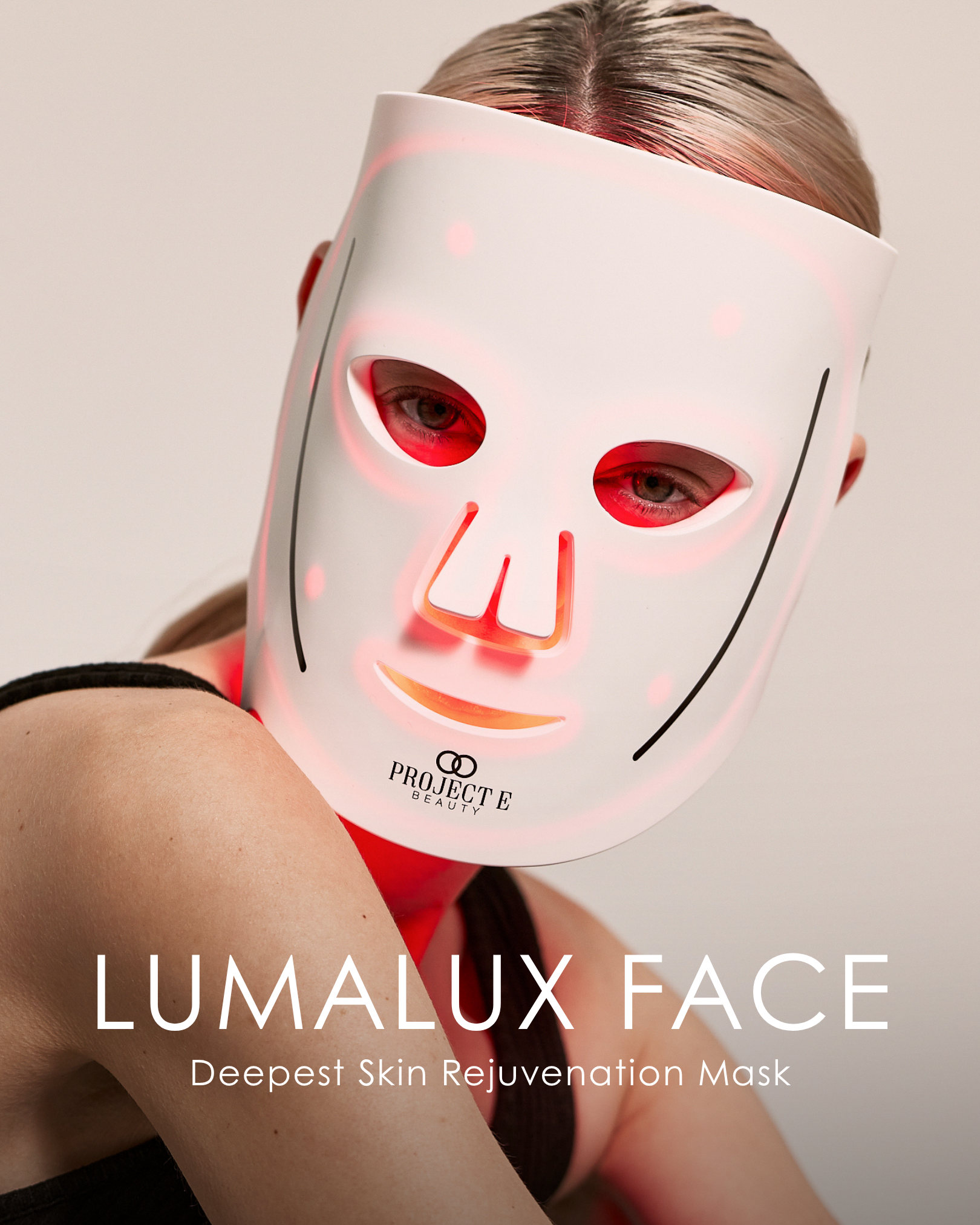
Ahead, we’re breaking down exactly how serums interact with red light therapy, what experts recommend applying before a session, and how pairing the right formulas with an advanced device like the LumaLux Face Pro LED Light Therapy Mask can help you get more out of every treatment.
What Is a Serum?
If you think of your skincare routine as layers, serums are the step designed to do the heavy lifting. They’re lightweight, fast-absorbing, and packed with concentrated ingredients that target specific skin concerns, whether that’s dehydration, fine lines, uneven tone, or loss of firmness.
Unlike moisturizers, serums are typically formulated without heavy occlusives, which means they sit closer to the skin and absorb quickly. That’s exactly why they play such an important role when red light therapy enters the picture.
When carefully chosen, a serum can support skin comfort and function without interfering with how LED light penetrates the skin, as seen in studies.
How Can Red Light Therapy Make Serums More Effective?
Red light therapy works beneath the surface of the skin. Using specific wavelengths, most commonly red (around 630nm) and infrared (850nm and above)—LED devices have been shown to stimulate cellular energy production, improve circulation, and support collagen synthesis over time.
The truth is in the science, too. Red and near-infrared light therapy has been shown in studies to improve skin texture, tone, and collagen density with consistent use.
So where do serums come in? Think of red light therapy as setting the stage. By encouraging healthier cellular activity and circulation, LED treatments help create an environment where skin is better equipped to respond to skincare, especially hydrating and barrier-strengthening formulas.
That said, not every serum belongs in your pre-LED routine.
What Are the Best Skincare Products to Use with Red Light Therapy?
The best skincare products to use with red light therapy are those that support the skin without blocking or reflecting light. Because LED Therapy relies on specific wavelengths reaching the skin, your routine should be simple, lightweight, and strategically timed.
In general, red light therapy works best on clean, bare skin with skincare applied after your session rather than before. This ensures maximum light penetration without reflection or interference.
Serums and moisturizers are great picks for products to add into your LED skincare routine. That said, products used around your LED session should fall into three clear categories.
- Before LED: Cleansers (even consider double cleansing)
- After LED: Hydrating serums and nourishing moisturizers
- In a separate routine: Retinoids, exfoliating acids, strong actives
Choosing products with gentle, non-reflective formulas allows red light therapy to work as intended, while still supporting hydration, barrier health, and long-term skin function.
Best Serums to Use with Red Light Therapy
The best serums to apply before red light therapy share a few key qualities: they’re lightweight, non-irritating, and free from ingredients that increase sensitivity.
Expert-approved ingredients include:
- Hyaluronic acid for hydration without heaviness
- Peptides to support skin structure and firmness
- Niacinamide to support the skin barrier
- Soothing, skin-identical ingredients that calm and condition
These formulas absorb quickly and won’t block light from reaching the skin. However, not every ingredient plays well with LED therapy. What to skip before a session? Strong actives like retinoids, exfoliating acids, or anything designed to accelerate cell turnover. Those are better saved for night-time routines, not LED sessions.

Best Creams to Use With Red Light Therapy
Creams and richer moisturizers still have a place, they just work best after your red light therapy session. Once your treatment is complete, applying a nourishing cream helps seal in hydration and support the skin barrier as it recovers.
Look for:
- Ceramides
- Panthenol
- Barrier-repair formulas
If you’re unsure how often to use LED therapy or how much is too much, our guide on what happens if you overdo LED light therapy breaks down frequency and recovery in simple terms.
Skincare Products Designed for Red Light Therapy
As red light therapy has become more mainstream, some skincare brands have begun formulating products specifically with LED devices in mind. These products are typically free from reflective particles and designed to support hydration without interfering with light absorption.
Paired with a high-quality device like the LumaLux Face Pro LED Light Therapy Face & Neck Mask, these formulas help maintain consistency without complicating your routine.
Why Your Device Matters as Much as Your Serum
Of course, even the best serum can only do so much if your LED device doesn’t deliver the right wavelengths or enough coverage.
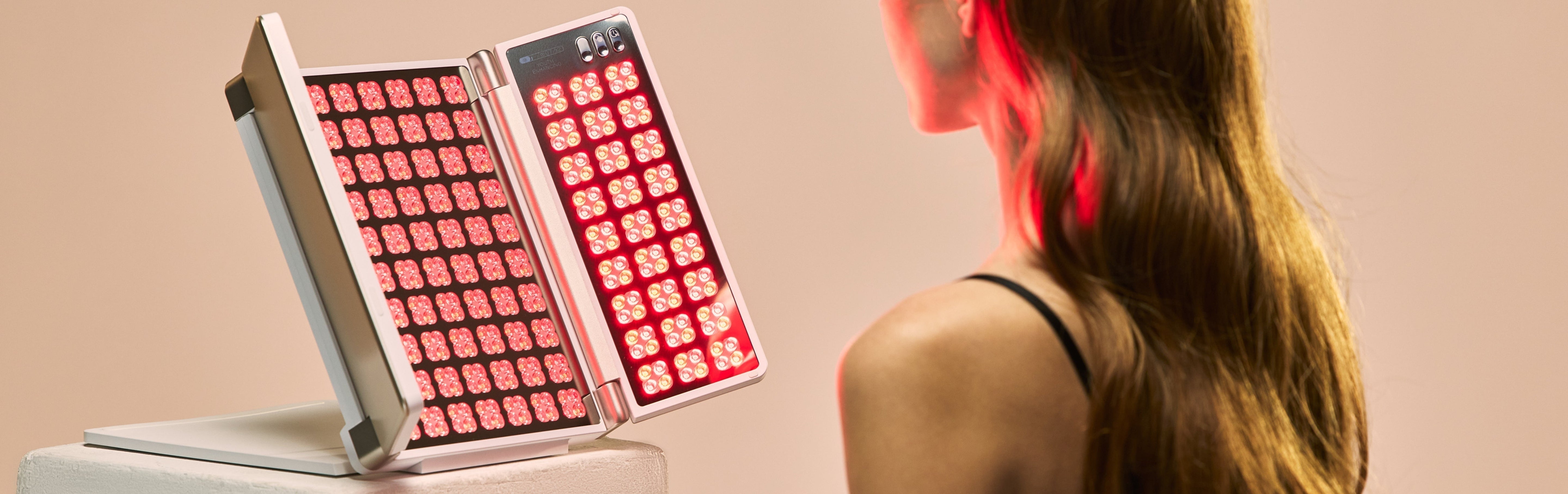
The LumaLux Face Pro LED Light Therapy Mask is designed with clinical-level precision in mind. It features:
- Five targeted wavelengths, including red (630nm), infrared (850nm), and deep infrared (1072nm)
- Superior power density, ensuring effective light delivery
- 800 high-grade LED chips, offering more comprehensive coverage than the industry average
- A lightweight, flexible fit that’s easy to wear consistently
This combination allows you to achieve noticeable results in short, manageable sessions without the discomfort or inconsistency that can come with bulkier devices. For targeted concerns beyond the face, the LumaLux Neck Mask and LumaLux Dome Face & Body Device extend the same technology to other areas.

LumaLux Neck & Dec | Pro LED Red Light Therapy Mask
Target fine lines, sagging and other signs of aging on the neck and dec with 800 high-powerd LEDs for superior results

LumaLux Dome | Face & Body LED Red Light Therapy Device
8 wavelength full body LED light therapy device for skin rejuvenation, fine lines, acne, muscle recovery and mood boost
How to Maximize At-Home Red Light Therapy
If you want to get the most out of your red light therapy routine, consistency and sequencing matter more than complexity.
Here’s what experts recommend:
- Step 1: Start with clean, dry skin
- Step 2: Use your red light LumaLux Face Pro LED Mask on bare skin for 3-6 minutes daily
- Step 3: Apply Serum After LED, this is the ideal moment to apply a lightweight, hydrating serum, like hyaluronic acid or gentle antioxidants are excellent choices.
- Step 4: Moisturize after your session to support barrier health
- Finally, make sure to stay consistent over time
If you’re curious about how different wavelengths work beneath the skin, our breakdown of infrared vs. red light therapy offers a deep dive that’s broken down in a simpler way to understand.
The Bottom Line
Pairing the right serum with a well-designed LED device allows your skin to benefit fully from each session, without unnecessary irritation or interference.
When combined with an advanced, precision-driven device like the LumaLux Face Pro LED Light Therapy Mask, red light therapy becomes a must-have in your skincare routine, helping to support long-term skin health.




Leave a comment
This site is protected by hCaptcha and the hCaptcha Privacy Policy and Terms of Service apply.