





Green Tea and Red Light Therapy: Better Together or Just Hype? A Beauty Editor Investigates
IN THIS ARTICLE
- 01 What The Studies Say
- 02 How Does Red Light Therapy Work?
- 03 How Does Green Tea Work on the Skin?
- 04 Does Green Tea Boost the Effectiveness of Red Light Therapy?
- 05 How to Make the Most Out of Red Light Therapy
- 06 Conclusion
If you’re already using a red light face mask at home, you may be wondering if topical skincare can enhance the results of your LED mask. Green tea is often mentioned as the perfect partner due to its antioxidant properties, but does the science support it?
As a long-serving beauty editor, I’ve witnessed the transient nature of skincare trends first-hand. Too frequently, an at-home gadget or viral ingredient appears on the market, hailed as the next big thing in skin radiance, only to fade as fast as it arrived.
But it’s the skincare solutions grounded in science, with an emphasis on skin longevity rather than short-term hype, that stand the test of time. Among them is red light therapy.
What The Studies Say
Daily exposure to pollution and UV light triggers cellular-level damage to the skin, leading to dullness, dark spots, and premature ageing. Red and near-infrared light therapy (photobiomodulation) has been studied for its ability to work against this free-radical fallout, supporting healing and improving visible signs of ageing when used consistently.

I’ve noticed recent conversations within the skincare community that suggest topically applied green tea extract can boost red light therapy benefits. While a small, preliminary study supports a potential synergy, clinical evidence is limited — certainly compared to the volume of studies on green tea polyphenols and red light photobiomodulation as stand-alone treatments.
How Does Red Light Therapy Work?
Working beneath the skin’s surface, LED devices use targeted wavelengths to support natural cellular repair. As shown in studies, red light (at 630nm) helps stimulate collagen and improve firmness, while near-infrared light (at 850) penetrates deeper to calm inflammation and boost circulation.
But how exactly does this clever light show work? By stimulating the mitochondria (think of them as your skin cells’ “batteries”) to produce more ATP (that’s energy). This uptick in cellular energy helps accelerate repair, increase collagen, and calm inflammation for healthier-looking skin, with most users seeing improvement after four to eight weeks of consistent use.

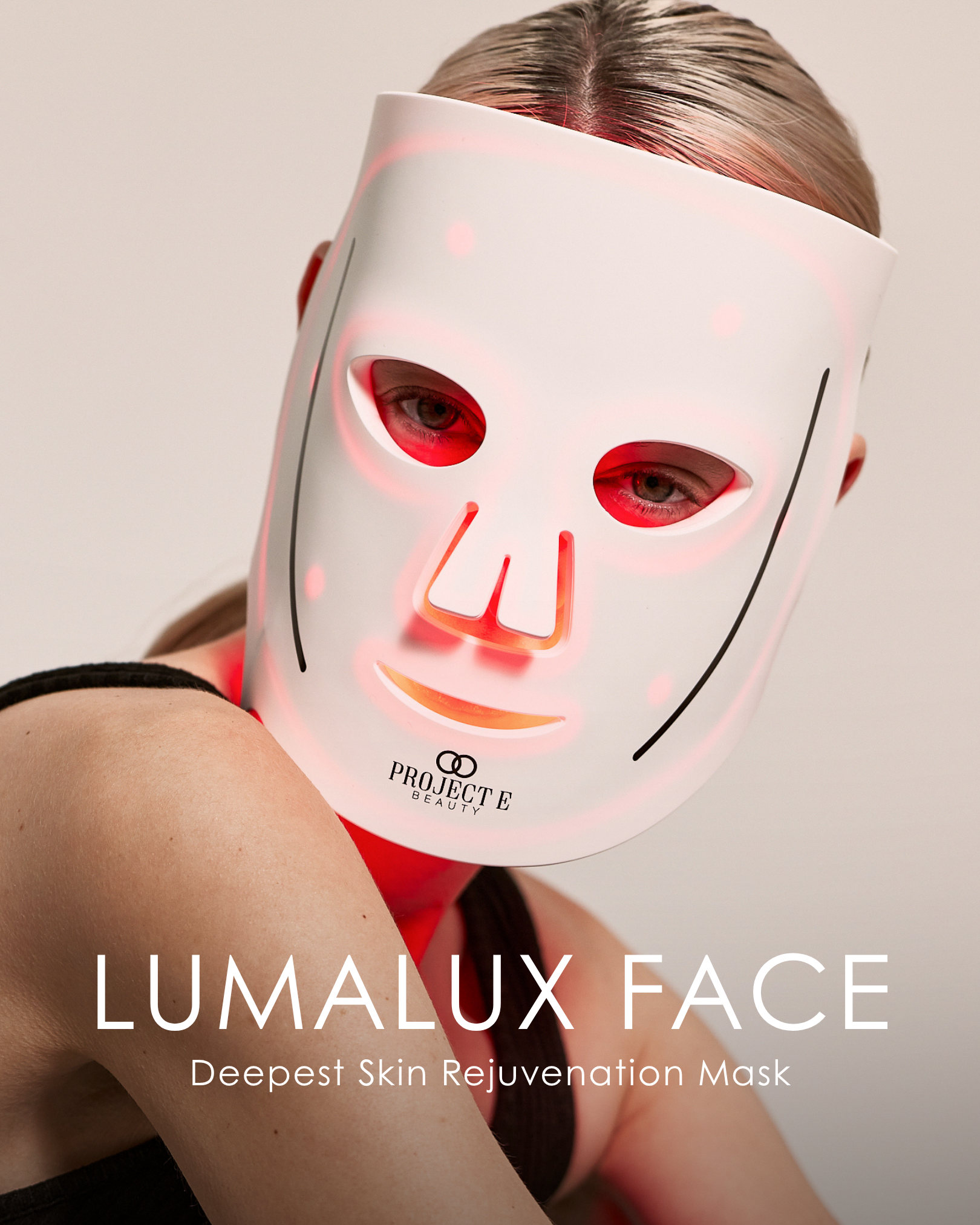
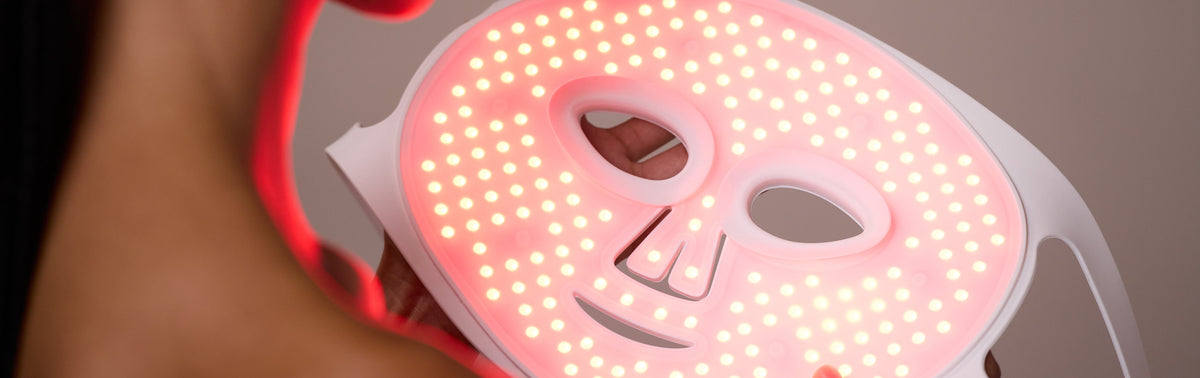
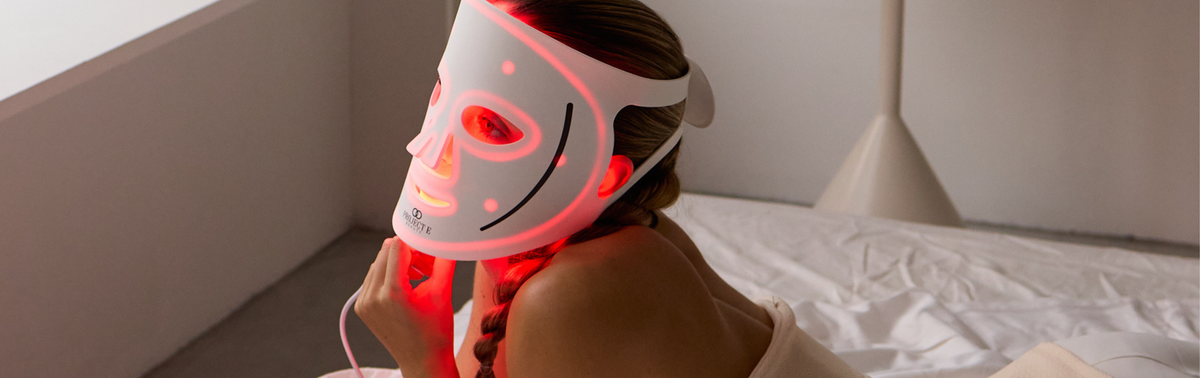
With advances in at-home technology, the popularity of the red light face mask has grown significantly. Even if you haven’t invested in one yet, you’ve likely seen countless social media selfies featuring them. When designed well, these futuristic-looking masks offer a convenient way to deliver consistent wavelengths across the skin, without disrupting daily routines.
How Does Green Tea Work on the Skin?
Green tea is rich in polyphenols — potent plant-based antioxidants that neutralise the damaging free radicals set off in the skin after exposure to environmental aggressors such as UV and pollution. The most abundant and active of these green tea polyphenols is epigallocatechin-3-gallate (EGCG), an antioxidant powerhouse known to reduce oxidative stress, calm redness, and reinforce the skin’s all-important protective barrier. It achieves this by reducing the enzymes that degrade collagen (MMPs), and for this reason, green tea extracts are commonly formulated in serums and creams to work against photo-damage.
Does Green Tea Boost the Effectiveness of Red Light Therapy?
Green tea isn’t currently proven to increase how deeply red light penetrates the skin, but that’s not to say it can’t work alongside red light therapy in a complementary way. Red light supports cellular activity, helping skin to repair and regenerate, while green tea’s antioxidants (especially EGCG) help to calm irritation and reduce free-radical damage. Together, they create a healthier environment for skin recovery (rather than amplifying each other directly).
While some users may document their red light therapy before-and-after results, attributing them to the use of green tea extract alongside their red light face mask, it’s important to remember that outcomes vary from person to person. Without controlled comparisons, there’s no reliable way to determine whether an individual would have experienced the same results with or without the pre-treatment application of green tea.
How to Make the Most Out of Red Light Therapy
Cleanse
Start with a clean, dry face to allow maximum light penetration.
Use your LED mask for 3-6 minutes
Position the mask comfortably and relax while the red/near-infrared light works.
Apply your serum
Use targeted actives (vitamin C, hyaluronic acid, peptides, etc.) right after light therapy when absorption is enhanced.
Finish with moisturiser + SPF
Lock in hydration and protect your skin (especially important if doing morning sessions).
And remember, consistency is key. Aim for four sessions per week, dropping to two maintenance treatments a week once you’ve achieved your initial skin goals. When choosing a red light face mask, look for multiple clinically studied wavelengths and full coverage. The LumaLux Face Mask uses five clinically studied wavelengths, including red (630nm), infrared (850nm), and deep infrared (1072nm). These are distributed across 800 high-grade LEDs for even, full-face coverage. Always follow the user guide, bearing in mind that overuse of LED light therapy doesn’t necessarily equal better.
In general, red light therapy works best on clean, bare skin, with skincare applied after your session rather than before. This ensures maximum light penetration without reflection.
But that’s not to say you can’t apply a lightweight serum before masking. When carefully chosen, a serum can support skin comfort and function without interfering with how LED light penetrates the skin, as seen in studies. But there are some rules when it comes to choosing textures and ingredients that are compatible with red light therapy, especially if your skincare routine consists of potent actives such as retinol or chemical exfoliants.
Conclusion
There’s no doubt that topical green tea extract has its benefits as a stand-alone antioxidant and skin calmer, but we’re quite a way off from proving that green tea and red light therapy deliver more effective anti-ageing results when used in tandem.
In my professional opinion, you should shift your focus from expensive (and potentially unnecessary) pre-mask skincare to the quality of the LED mask you’re investing in. Sometimes, simple and science-backed is best, and as long as you do your research and remain consistent with your red light routine, your skin will benefit in the long-term.
Looking to invest in a device that delivers clinical-level results? Explore Project E Beauty’s LumaLux collection.



Leave a comment
This site is protected by hCaptcha and the hCaptcha Privacy Policy and Terms of Service apply.